
Beyond the Goal: AFCON Qualifiers – A Blueprint for Skills and Opportunity in Africa
Beyond the goals, Africa's AFCON qualifiers highlight the crucial role of teamwork, discipline, and strategic thinking – inspiring youth towards skills…
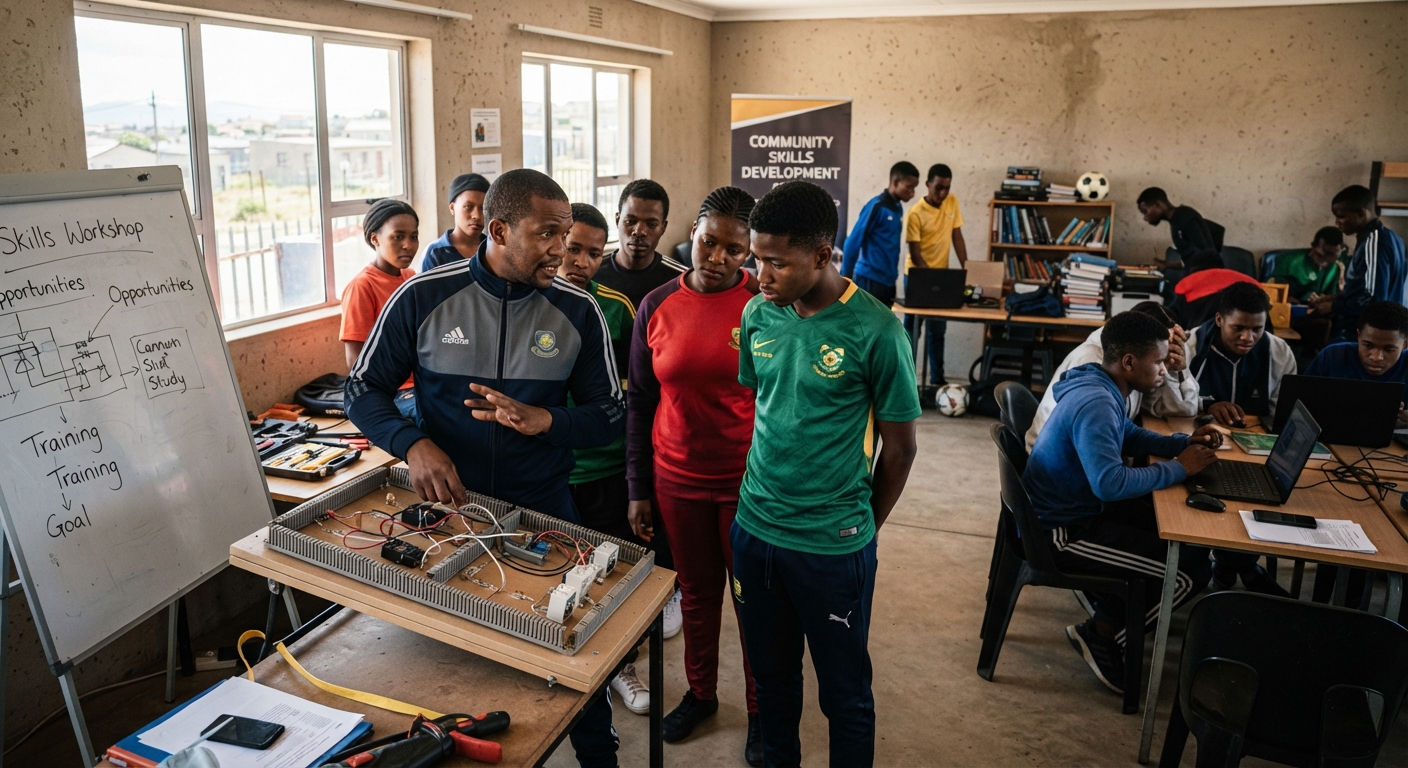
As the dust settles on another electrifying round of AFCON 2027 qualifiers, with powerhouses like Nigeria securing vital wins and stars like Mohamed Salah illuminating the pitch, the roar of the crowd signifies far more than mere sporting triumph. For 'Skills for Africa,' these matches offer a powerful lens through which to examine the continent's immense potential – not just in football, but in fostering the skills and opportunities essential for youth development and economic growth.
The Power of the Pitch: Transferable Skills
The performances witnessed – from Tolu Arokodare's decisive contributions for Nigeria to Achraf Hakimi's dazzling displays for Morocco – are testament to a blend of raw talent, rigorous training, and unwavering discipline. These aren't just footballing traits; they represent the transferable skills critical for success in any sphere: strategic thinking, resilience in the face of setbacks, effective teamwork, and the relentless pursuit of excellence. Imagine these attributes cultivated across our TVET colleges and universities, shaping a workforce ready to tackle Africa’s challenges with the same precision and grit shown on the pitch.
Inspiring Tomorrow's Workforce
For millions of young Africans, these football heroes are more than just athletes; they are powerful role models. Their journeys from local pitches to international stardom embody the dreams of many, offering tangible proof that dedication, skill, and hard work can unlock global opportunities. This inspiration is a potent force, capable of driving students to excel in their matric results, pursue higher education, and engage enthusiastically with workforce training programmes, seeing their own 'goals' within reach. The success stories of these athletes can ignite a similar passion for learning and personal development across diverse fields.
The South Africa / Africa Angle
For South Africa and the broader African continent, the AFCON narrative extends far beyond the final whistle. It presents a robust framework for understanding and implementing critical skills development and youth empowerment initiatives:
- TVET Colleges & Universities: Major sporting events, whether hosted regionally or watched nationally, generate immense demand for an array of highly skilled professionals. Our TVET colleges can become incubators for event managers, hospitality specialists, media technicians, security personnel, and logistical coordinators. Universities can lead in sports science, sports medicine, marketing, and the economics of sport – fields that directly feed into a thriving sports economy.
- Workforce Training & Youth Employment: The entire ecosystem surrounding football offers significant avenues for workforce training. From infrastructure development for stadiums to catering services, merchandise production, and digital media engagement, these are all sectors ripe for job creation. Targeted youth unemployment programmes can integrate practical training with mentorship opportunities derived from the sports industry, offering tangible career pathways.
- Skills Development Policy: Governments and policymakers have a unique opportunity to integrate sports development into national skills agendas. Investing in youth academies, promoting coaching qualifications, and ensuring access to quality sports facilities is not merely about athletic prowess; it's about fostering discipline, leadership, and teamwork – foundational skills for any productive citizen. Such policies can be reform-aware, ensuring equitable access and development across diverse communities.
- Matric Results & NSFAS: The aspirational power of football can indirectly boost academic performance. Students, inspired by their heroes, may be motivated to achieve strong matric results, understanding that education opens doors, even within the dynamic world of sports. NSFAS, in turn, can support students pursuing studies in sports management, journalism, health sciences, or engineering, contributing to the professionalisation of Africa's sports sector.
In essence, the AFCON qualifiers serve as a vibrant metaphor for Africa’s journey towards self-realisation. It underscores that with strategic investment in human capital, a focus on transferable skills, and policies that champion youth, the continent can achieve victory not just on the pitch, but in building a prosperous and skilled future for all its citizens.
Source: BBC Africa

Beyond the Beautiful Game: How AFCON 2027 Can Unlock Africa's Youth Potential
Explore how AFCON 2027 bids, like Ghana's, can drive infrastructure development, create jobs, and foster essential skills for African youth and TVET graduates.

Ebola's Unseen Foe: Financial Mismanagement Cripples DRC's Health Response
Millions meant for DRC's Ebola fight are missing, leaving frontline workers unsupported. Skills for Africa explores the impact on healthcare, youth, and…

Stellenbosch Researcher Ignites Hope with Groundbreaking Climate Adaptation Award
Stellenbosch University's Dr. Nandi Khumalo receives inaugural award for climate research, inspiring youth and shaping Africa's sustainable future.