
Empowering Futures: 20,000 Youth Jobs to Tackle South Africa's Foundational Learning Crisis
The DBE's 20,000-job pilot tackles early-grade literacy and numeracy, offering vital employment for youth and strengthening South Africa's education foundation.
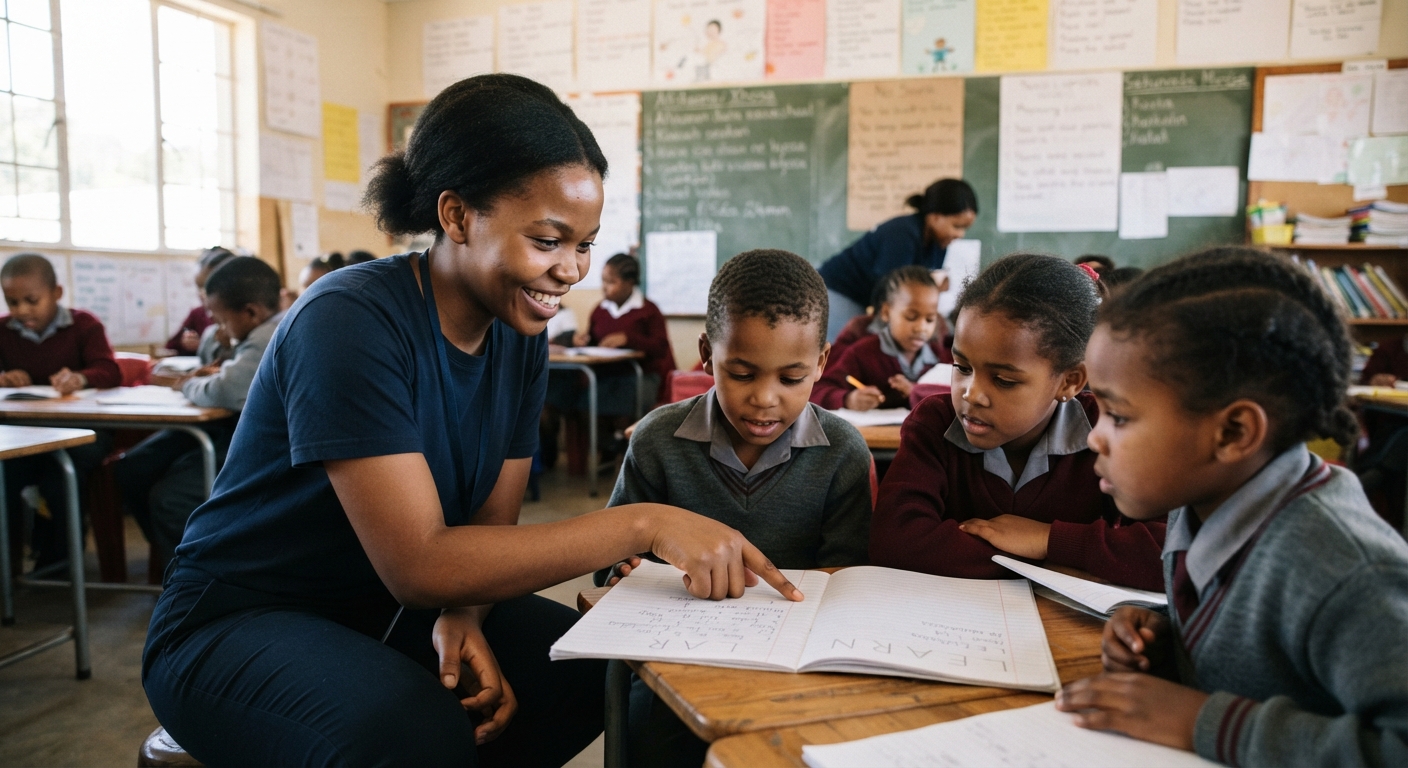
South Africa’s education landscape faces a persistent challenge: ensuring every child masters fundamental literacy and numeracy skills in their early years. Recognising this crucial need, the Department of Basic Education (DBE) has announced a significant pilot programme set to inject 20,000 temporary jobs into the system, aiming to bolster foundational learning while simultaneously providing vital employment opportunities for young South Africans.
A Dual-Benefit Initiative
This initiative isn't just about boosting academic performance; it’s a strategic move to empower a generation. The 20,000 positions will see young people deployed to schools, specifically tasked with providing support in early-grade literacy and numeracy. These roles offer more than just a paycheck; they represent a critical entry point into the formal economy for many unemployed youth, providing valuable work experience, skills development, and a chance to contribute meaningfully to their communities. It’s a direct investment in human capital, addressing both the immediate need for educational support and the urgent challenge of youth unemployment.
Fortifying the Education Pipeline
The impact of weak foundational skills reverberates throughout the entire education pipeline. Students who struggle with reading and basic arithmetic in primary school often face insurmountable barriers in later grades, affecting their matric results, their readiness for TVET colleges or universities, and ultimately, their employability. By targeting these crucial early years, the DBE’s pilot aims to build a stronger educational bedrock. These literacy and numeracy assistants will play a pivotal role in providing individualised attention and reinforcement, helping to close learning gaps before they become entrenched. This proactive approach is essential for producing future cohorts better equipped for advanced learning and the demands of the modern workforce.
The South Africa / Africa Angle
For the 'Skills for Africa' audience – comprising TVET colleges, universities, and those concerned with workforce training and policy – this pilot holds profound significance. Firstly, it directly addresses youth unemployment, offering 20,000 young individuals an opportunity for gainful employment and skills acquisition, potentially inspiring career paths in education or other public service sectors. Secondly, by strengthening foundational learning, it promises to yield more competent matriculants, reducing the remedial burden on TVET institutions and universities and enhancing the overall quality of graduates entering the workforce. From a policy perspective, a successful pilot could inform broader, sustainable strategies for integrating youth employment programmes with critical educational support. For the wider African continent, where similar educational and unemployment challenges persist, this South African initiative could serve as a vital case study, demonstrating an integrated approach to human capital development that benefits both young job seekers and future generations of learners.
Source: Google News · education & jobs SA