
Shifting Sands: What SA's Electoral Shake-Up Means for Youth, Jobs, and Skills
South Africa's recent local elections signal a critical turning point. Explore how the shifting political landscape could impact youth employment, education fun
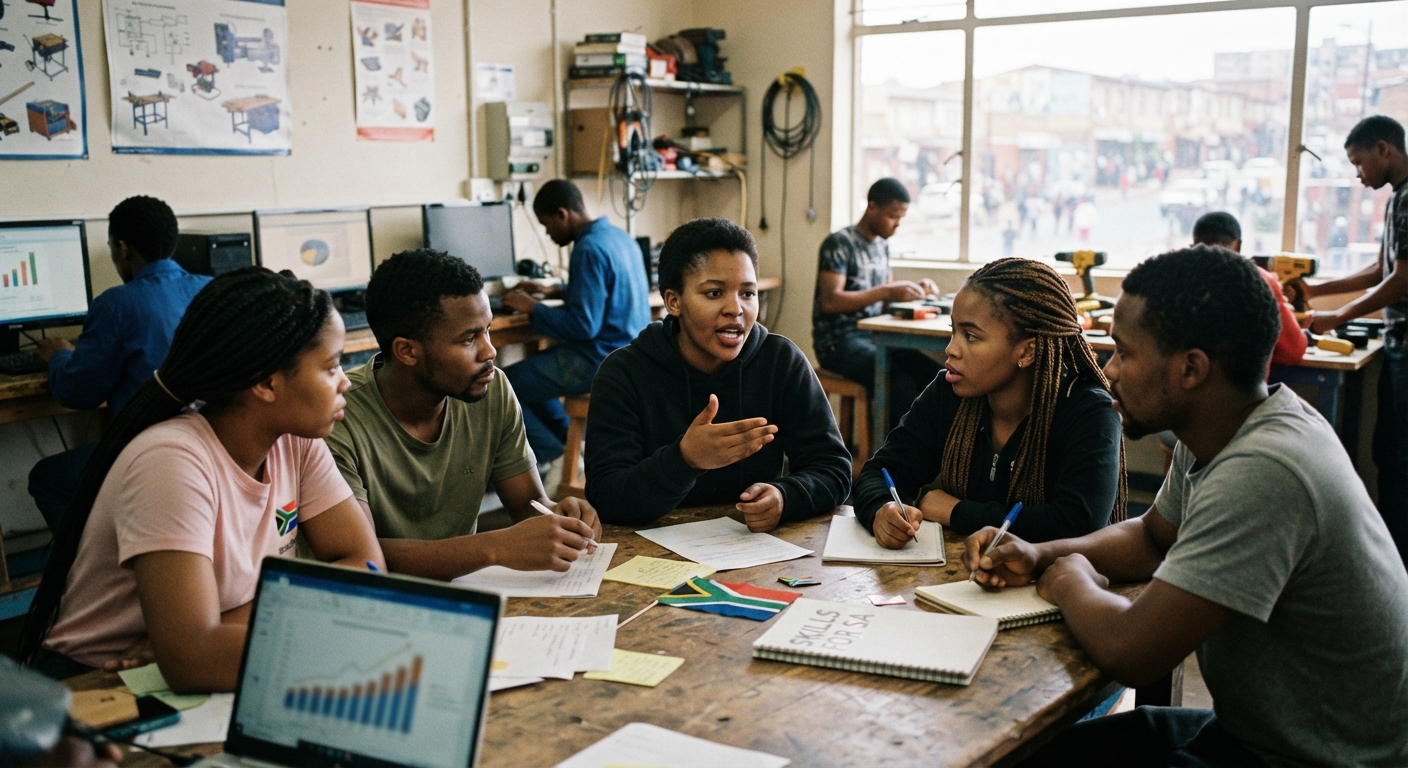
South Africa's political landscape is undergoing a profound transformation, as evidenced by the recent local elections where the African National Congress (ANC) recorded its most challenging performance since the dawn of democracy. Securing just 30.76% of the national vote, a significant drop from previous showings, the outcome has been candidly termed "catastrophic" by ANC Secretary-General Fikile Mbalula, echoing President Cyril Ramaphosa's acknowledgment of the people's "concerning" verdict.
This isn't merely a shift in numbers; it represents a powerful message from an electorate increasingly frustrated with the status quo. The Democratic Alliance (DA) emerged as the second-largest party with 24.64%, while former president Jacob Zuma's MK party made a notable entrance, securing 9.76% and unseating the ANC in Durban. The Economic Freedom Fighters (EFF) followed with 6.22%. The fragmentation of the vote means that coalition governments, already a feature nationally, will become even more prevalent at local levels, reshaping policy formulation and service delivery across the nation.
A Mandate for Change from the Ground Up
The decline in ANC support is widely attributed to persistent socio-economic challenges: the spiralling cost of living, high unemployment – particularly among youth – and perceived failures in service delivery. This electoral outcome is a stark reflection of the populace's demand for tangible improvements. With increased voter turnout compared to 2021, South Africans have actively voiced their discontent and their yearning for a more responsive and effective government.
For the young people traversing the complexities of education, training, and job seeking, this political shake-up carries profound implications. Every shift in municipal and provincial power dynamics has the potential to redirect resources and priorities affecting their future.
The South Africa / Africa Angle
For "Skills for Africa" readers – students in TVET colleges and universities, matriculants, and those navigating the job market – these election results are critically important. The rise of coalition governments at local levels brings both uncertainty and opportunity for the skills development agenda:
- Funding for Education and Training: How will new municipal and provincial leadership impact budgets for education institutions, student financial aid schemes like NSFAS, and critical infrastructure for TVET colleges? A diverse political landscape could lead to varying regional priorities, potentially affecting equitable access to resources.
- Youth Unemployment Programmes: New administrations may re-evaluate or launch fresh initiatives to tackle the persistent crisis of youth unemployment. This could mean innovative approaches to skills training, internships, and entrepreneurship support, or a redirection of existing programmes.
- Skills Development Policy: The need for a workforce equipped for a changing economy remains paramount. Will new local leaders champion specific industries, invest more in digital skills, or forge stronger partnerships between education providers and the private sector?
- Accountability and Reform: This election is a clear signal that voters, especially the youth, demand accountability for promises made regarding job creation and educational outcomes. It presents an opportunity for a renewed focus on evidence-based reforms that genuinely address the challenges faced by young South Africans.
Across Africa, the South African experience serves as a powerful reminder that democratic processes are vital mechanisms for communities to express their needs and hold leaders accountable, particularly on issues central to youth empowerment and economic opportunity. This electoral earthquake is a call for all political actors to intensify their focus on building a skilled, employed, and prosperous future for the continent's largest demographic.
Source: BBC Africa